
Automatic Driving Lessons
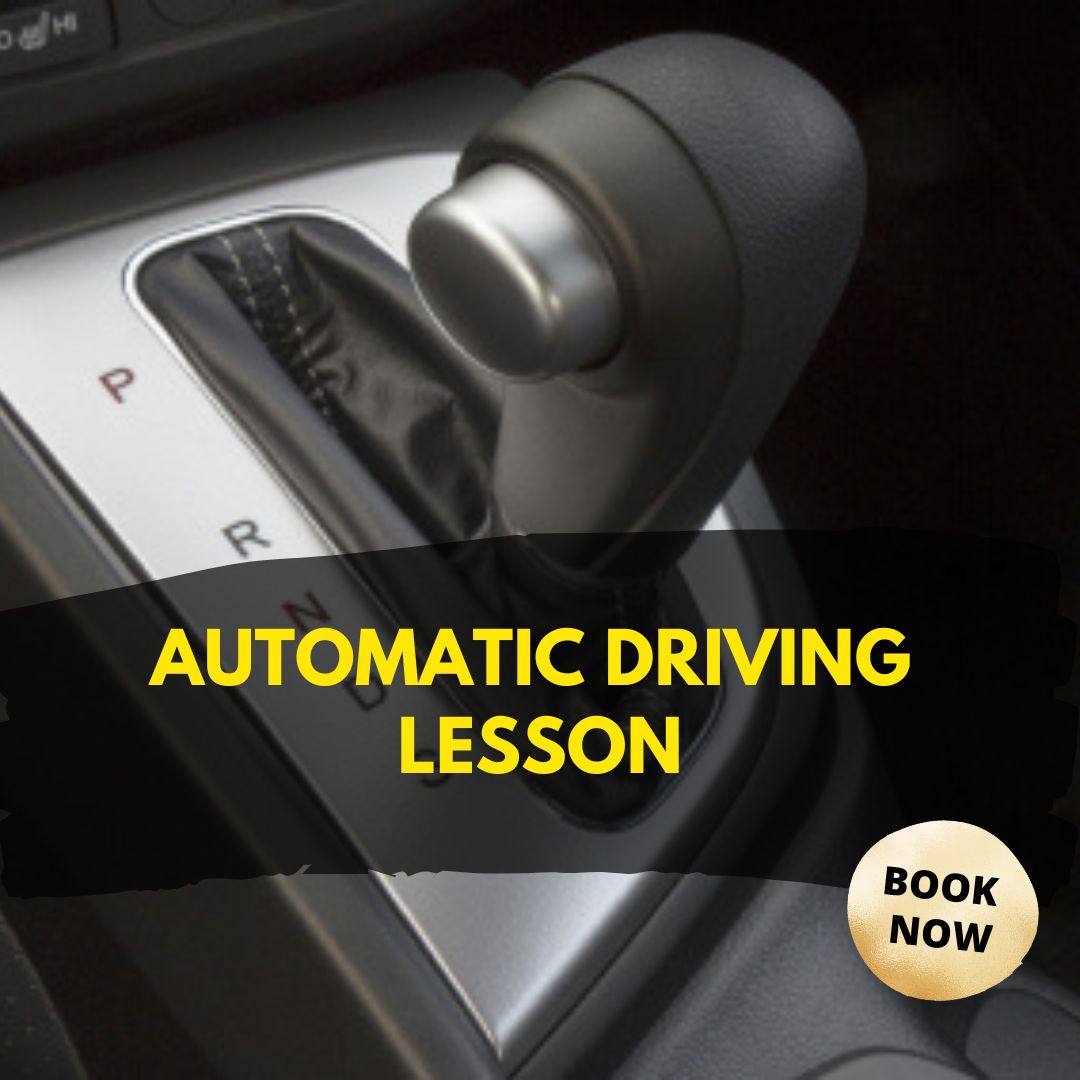
1 HOUR AUTOMATIC
LESSON
2 HOURS AUTOMATIC
LESSON
10 HOURS AUTOMATIC
LESSON


How to Drive Automatic Car
We provide professional driving lessons for learners of all levels, offering both automatic and manual instruction tailored to individual needs. Whether you're a complete beginner, a nervous driver, or looking for intensive, refresher, Pass Plus, or motorway driving lessons, our qualified DVSA-approved instructors – including both male and female professionals – are here to support you. With flexible scheduling, structured lesson plans, and a friendly approach, we aim to help you build confidence behind the wheel and pass your driving test efficiently and safely.
Our Popular Courses
Automatic Driving Lessons
- Excellent 1st Time Pass Rate
- Friendly Environment
- DVSA Approved Instructors
- Recommended by Hundreds of Customers
- No Hidden Charges
Intensive Driving Lessons
- Excellent 1st Time Pass Rate
- Friendly Environment
- DVSA Approved Instructors
- Recommended by Hundreds of Customers
- No Hidden Charges
Manual Driving Lessons
- Excellent 1st Time Pass Rate
- Friendly Environment
- DVSA Approved Instructors
- Recommended by Hundreds of Customers
- No Hidden Charges
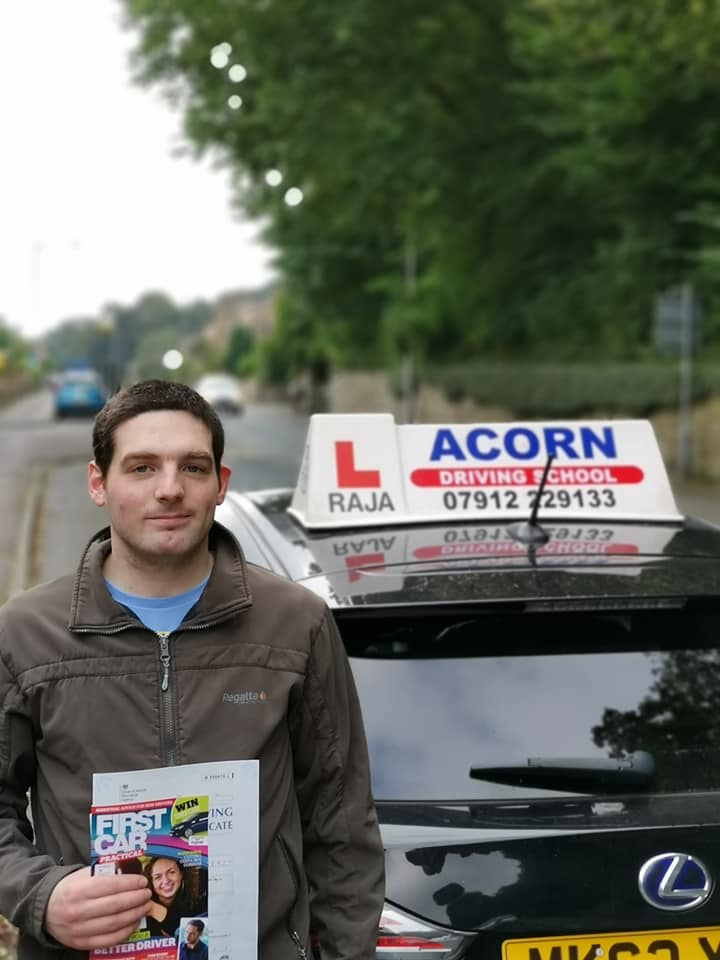
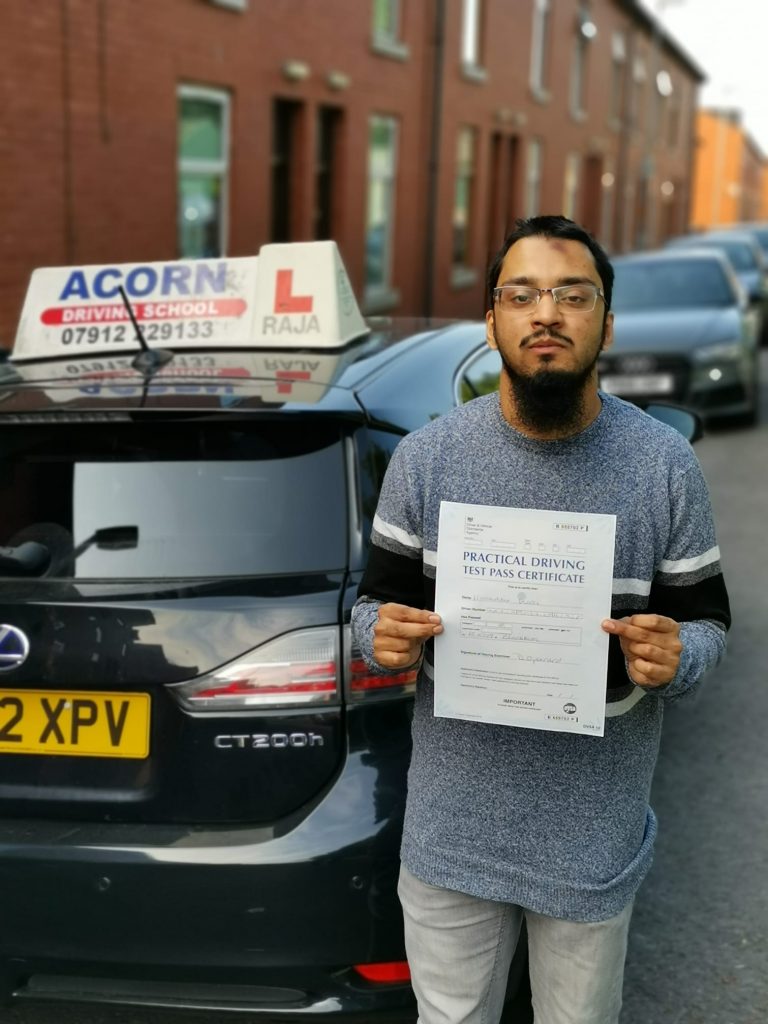
How to Drive an Automatic Car: A Beginner’s Complete Guide
Learning how to drive an automatic car is simpler than you might think. With fewer controls to manage compared to manual cars, automatic vehicles are a popular choice for new drivers, especially those who want a smoother and more relaxed driving experience.
Understanding Automatic Car Basics
Automatic cars don’t have a clutch pedal or gear stick for manual shifting. Instead, they use a gear lever with options like:
P (Park)
R (Reverse)
N (Neutral)
D (Drive)
Some models may also include L (Low) or S (Sport) modes. Once you understand what these mean, you’ll be ready to hit the road confidently.
Starting the Engine and Getting Ready
To start an automatic car:
Press the brake pedal firmly.
Ensure the gear is in the P (Park) position.
Turn the key or press the start button to ignite the engine.
Keep your foot on the brake and move the gear lever to D (Drive).
Now you’re ready to move forward!
Driving and Controlling the Speed
Once in drive mode, gently release the brake, and the car will start to move slowly on its own—this is known as “creeping.”
Use the accelerator to increase your speed, and always keep your right foot for both braking and accelerating (never use your left foot).
The car will automatically change gears based on your speed, so there’s no need to worry about shifting manually.
How to Reverse and Park an Automatic Car
To reverse:
Come to a full stop.
Press the brake pedal and shift the gear to R (Reverse).
Check your surroundings before slowly moving backward.
For parking:
Stop the car completely.
Shift the gear to P (Park).
Turn off the engine and apply the handbrake.
Mastering these movements will make city and residential parking much easier.
Tips for First-Time Automatic Drivers
Avoid coasting in neutral: Keep the gear in D unless you’re parked or stopped.
Don’t rest your hand on the gear lever: It’s unnecessary and can wear the mechanism over time.
Practice smooth braking and accelerating: It improves control and passenger comfort.
Start in quiet areas: Build your confidence before hitting busy roads.
If you’re new and want expert help, consider taking professional lessons with a local instructor.
Learn from an expert by booking a Private Driving Instructor Near Me to build confidence on the road.
Conclusion: Enjoy the Simplicity of Automatic Driving
Driving an automatic car is perfect for beginners who want a stress-free learning experience. With simple controls and automatic gear shifting, you can focus more on the road and less on mechanics.
Start your journey with the right support and enjoy a smoother road to passing your driving test.

