
Manual Driving Lessons


How to Drive a Manual Car
We provide professional driving lessons for learners of all levels, offering both automatic and manual instruction tailored to individual needs. Whether you're a complete beginner, a nervous driver, or looking for intensive, refresher, Pass Plus, or motorway driving lessons, our qualified DVSA-approved instructors – including both male and female professionals – are here to support you. With flexible scheduling, structured lesson plans, and a friendly approach, we aim to help you build confidence behind the wheel and pass your driving test efficiently and safely.
Our Popular Courses
Automatic Driving Lessons
- Excellent 1st Time Pass Rate
- Friendly Environment
- DVSA Approved Instructors
- Recommended by Hundreds of Customers
- No Hidden Charges
Intensive Driving Lessons
- Excellent 1st Time Pass Rate
- Friendly Environment
- DVSA Approved Instructors
- Recommended by Hundreds of Customers
- No Hidden Charges
Manual Driving Lessons
- Excellent 1st Time Pass Rate
- Friendly Environment
- DVSA Approved Instructors
- Recommended by Hundreds of Customers
- No Hidden Charges
How to Drive a Manual Car: A Beginner’s Step-by-Step Guide
Driving a manual car may seem challenging at first, but with the right guidance, anyone can master it. Manual cars give you more control, improve road awareness, and are often more fuel-efficient. Whether you’re a first-time driver or transitioning from automatic, this article will help you understand how to drive a manual confidently and safely.
Understand the Basic Components of a Manual Car
Before getting behind the wheel, you should familiarise yourself with the essential controls:
Clutch Pedal: Found on the far left; it disconnects the engine from the wheels when pressed.
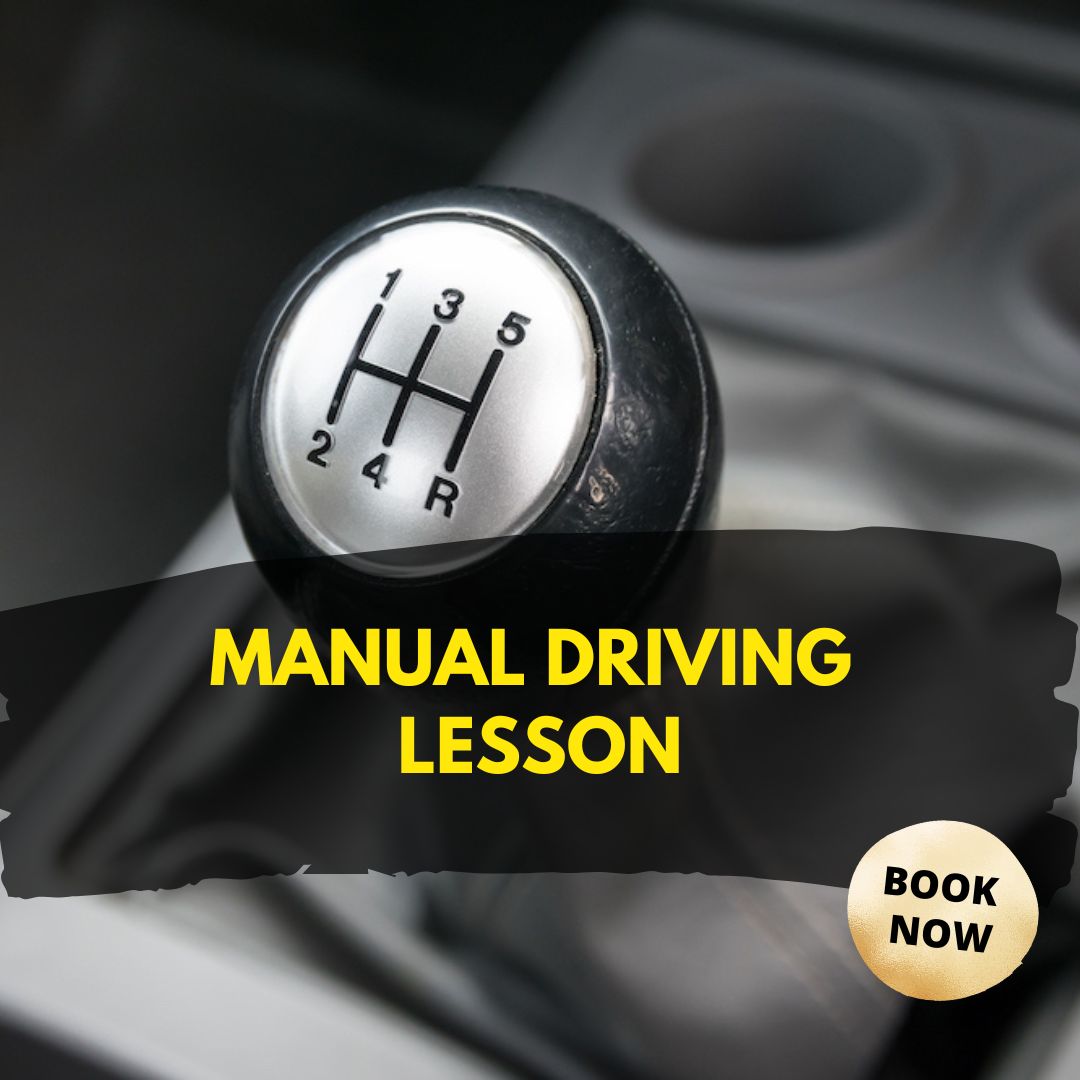
Gear Stick: Typically has five or six forward gears, plus reverse.
Accelerator and Brake: Located to the right of the clutch.
Handbrake (Parking Brake): Used to keep the car stationary when parked or during hill starts.
Understanding these components is the foundation of smooth manual driving.
Starting the Car: Step-by-Step
To begin driving:
Press the clutch pedal fully to the floor.
Turn the ignition key or press the start button.
With the clutch still pressed, move the gear stick into first gear.
Slowly release the clutch while gently pressing the accelerator.
The car will start moving as the clutch reaches its “biting point.” Maintain control to avoid stalling.
Practising this motion repeatedly helps you master the most difficult part of driving manual.
Changing Gears While Moving
Gear changes are essential for smooth driving and fuel efficiency:
From 1st to 2nd: Shift at around 10–15 mph.
From 2nd to 3rd: Around 20–25 mph.
And so on…
Each time, fully press the clutch, change the gear, then gently release the clutch while pressing the accelerator. With time, gear shifting will become second nature.
Mastering Clutch Control and Hill Starts
Clutch control is crucial in stop-start traffic and when starting on inclines. To prevent rolling back on hills:
Use the handbrake to keep the car stationary.
Find the biting point by slightly lifting the clutch.
Release the handbrake while gently pressing the accelerator.
This technique ensures a smooth uphill start without stalling.
Common Mistakes to Avoid
Beginners often make these errors:
Riding the clutch: Keeping your foot partially on the clutch can cause unnecessary wear.
Skipping gears too early: This can lead to engine strain and loss of control.
Stalling at lights: Stay calm, re-engage the clutch, and restart if needed.
Learning from these mistakes is part of becoming a skilled manual driver.
Practice and Progress With Expert Guidance
Driving a manual car takes patience and practice. Consider taking lessons with an experienced instructor to boost your confidence. If you’ve already mastered automatic vehicles, learning manual is a great next step.
For those looking to start with automatic before transitioning to manual, you can explore this helpful guide on how to drive an automatic car.

